Platelet-rich plasma therapy has become one of the most talked-about additions to hair restoration in India. Walk into almost any clinic offering a hair transplant in Mumbai and you’ll likely see PRP listed as a recommended add-on, sometimes presented as near-essential. But what does the actual clinical research say, and how can you tell the difference between a clinically justified recommendation and a revenue-boosting upsell?
This article breaks down the evidence honestly so you can make a better-informed decision before committing to a treatment package.
What the Clinical Evidence Actually Shows About PRP
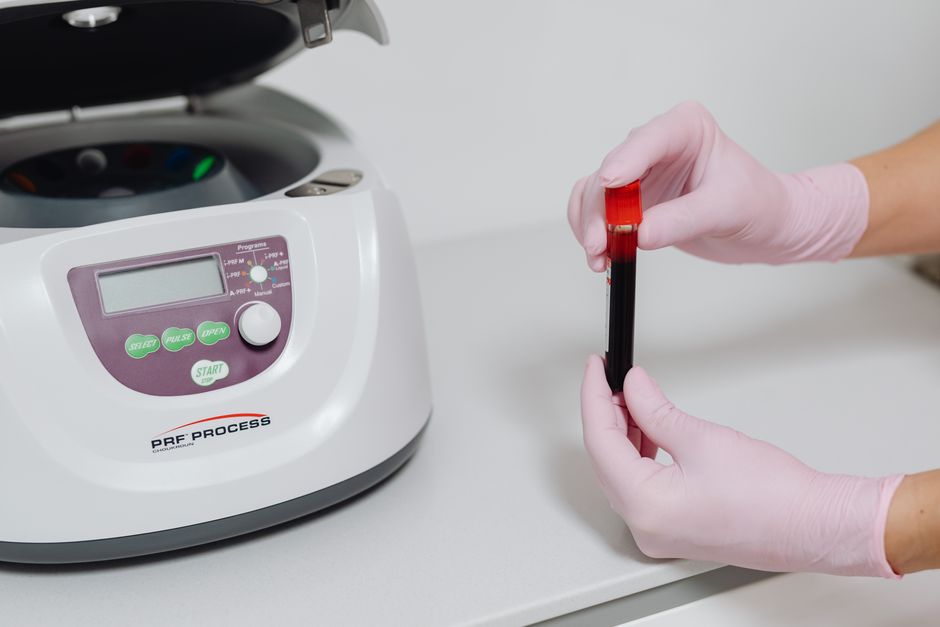
PRP works by concentrating platelets from your own blood and injecting them into the scalp. The idea is that growth factors released by platelets — including PDGF, VEGF, and IGF-1 — stimulate dormant follicles and accelerate tissue healing. On paper, it sounds compelling. In practice, the results are more nuanced.
A 2019 systematic review published in the journal Dermatologic Surgery found that while several small trials showed measurable hair density improvements from PRP, the studies were limited by inconsistent protocols, small sample sizes, and short follow-up periods. The International Society of Hair Restoration Surgery acknowledges PRP as a promising adjunct therapy but stops short of calling it a standard of care, precisely because the evidence base is still developing.
For standalone PRP — meaning PRP used without any surgical procedure — the picture is similarly mixed. It appears most effective in patients with early-stage androgenetic alopecia who still have a meaningful density of miniaturised follicles. Once a patient has significant bald patches, standalone PRP is unlikely to produce dramatic regrowth because it cannot generate new follicles from scratch. It can maintain existing follicles and slow progression, but that’s a different promise than what some clinics imply.
The timing and concentration of the PRP preparation also matter enormously. Not all PRP systems produce the same platelet concentration, and clinics using low-quality centrifuges or inconsistent protocols may be delivering a product with limited therapeutic value regardless of what the consent form says.
When PRP Genuinely Adds Value — and When It Doesn’t
The most clinically supported use case for PRP in a hair transplant context is as an intraoperative or perioperative adjunct. Some surgeons soak extracted grafts in PRP solution before implantation, or inject PRP into the recipient area around the time of surgery. Early data suggest this can improve graft survival rates and accelerate healing, which matters because graft survival is one of the main variables determining your final result.
If a surgeon recommends PRP specifically to bathe grafts during a follicular unit excision (FUE) procedure and can explain the protocol they use — concentration levels, timing, injection sites — that’s a conversation grounded in clinical reasoning. It’s worth taking seriously.
Where the recommendation becomes harder to justify is when clinics push PRP as a mandatory pre-operative course of three to six sessions before any surgery has even been planned, or as a post-operative package sold at a fixed price regardless of individual patient profile. At that point, the recommendation has drifted from personalised medicine into upselling territory.
There are specific patient profiles where pre-operative PRP has a reasonable rationale: patients with diffuse thinning who need to stabilise hair loss before surgery, or those in the early stages who may benefit from delaying surgery altogether. But these are individual decisions, not blanket protocols.
When evaluating any clinic for a hair transplant in Mumbai, ask the surgeon directly: Why are you recommending PRP for my specific case? What outcome are we targeting, and how will we measure whether it’s working? A surgeon who gives a clear, patient-specific answer is operating very differently from one who hands you a printed package before your consultation is even finished.
It’s also worth understanding that the cost of PRP sessions in Mumbai varies widely — from roughly ₹4,000 to ₹15,000 per session depending on the clinic’s positioning and equipment. A bundled package of six sessions added to a surgical quote can add ₹50,000 or more to your total cost. That’s not trivial, and it deserves scrutiny.
One practical approach: ask whether the clinic uses an FDA-cleared PRP system and what their centrifugation protocol produces in terms of platelet concentration. This question alone often reveals whether the clinical team has thought carefully about the procedure or is simply following a sales template.
Frequently Asked Questions
Is PRP necessary for a hair transplant to succeed?
No. Thousands of successful hair transplants are performed every year without any PRP involvement. PRP may offer marginal improvements in graft survival and healing when used correctly, but it is not a prerequisite for a good surgical outcome. The surgeon’s technique and patient selection matter far more.
How many PRP sessions are typically needed before results show?
Most protocols for standalone PRP therapy involve three sessions spaced four to six weeks apart, followed by a maintenance session every six to twelve months. Results, if they occur, typically become visible after three to four months. Any clinic promising dramatic results after a single session should be viewed sceptically.
Can PRP regrow hair on completely bald areas?
No. PRP cannot create new follicles where none exist. It works by stimulating follicles that are miniaturised but still present. Fully bald scalp areas require surgical transplantation, not PRP, to achieve visible hair coverage.
What questions should I ask before agreeing to PRP as part of a hair transplant package?
Ask why PRP is specifically recommended for your case, what measurable outcome is expected, what PRP system the clinic uses, what platelet concentration their protocol achieves, and whether the cost is itemised separately so you can make an independent decision about it.
Is standalone PRP a good alternative if I’m not ready for surgery?
For patients with early-stage hair loss who still have significant follicle density, standalone PRP can be a reasonable way to slow progression while deferring surgery. It works best as a maintenance strategy rather than a cure, and it requires realistic expectations about the degree of improvement possible.