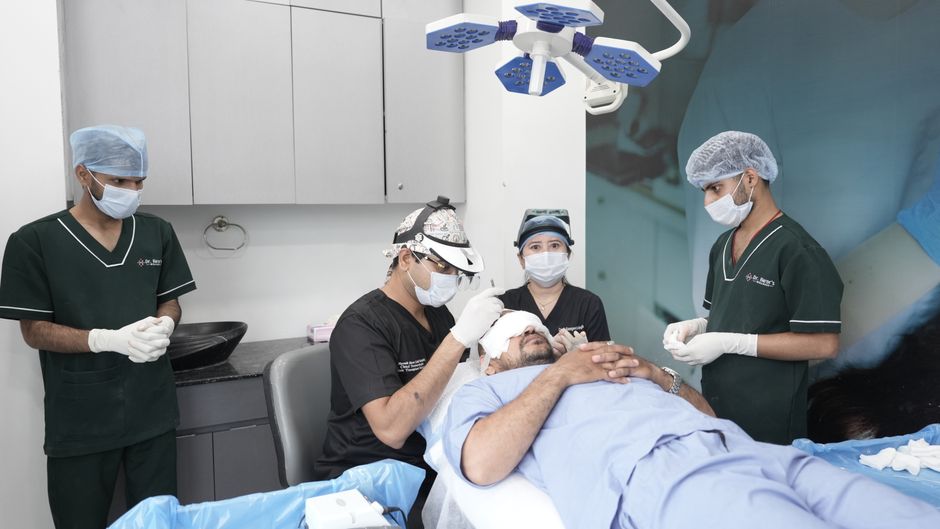
Patients often arrive at consultations with a sensible question: if I’m going under anaesthesia anyway, why not address everything at once? It’s a reasonable thought, and for many people the answer genuinely is yes — one operating session, one recovery, one set of costs. But the decision is never automatic. Surgeons at the best cosmetic surgery clinic in Mumbai weigh a precise set of clinical factors before approving any combined plan, and understanding those factors helps you walk into your consultation prepared.
When Surgeons Say Yes to Combined Procedures
The most commonly approved combinations fall into a few clear categories.
Mommy makeover (breast + abdomen in one session): A classic tummy tuck paired with breast augmentation or a lift is routinely performed together when the patient is in good general health, has a BMI in a safe surgical range, and has realistic recovery expectations. The procedures share overlapping anaesthesia time and address related post-pregnancy concerns, making them logistically and medically compatible. Most board-certified plastic surgeons cap total operating time at around six hours to keep anaesthesia risks manageable — a guideline supported by safety data reviewed by organisations such as the International Society of Aesthetic Plastic Surgery.
Gynecomastia with liposuction: Male patients seeking chest correction almost always benefit from combining gland excision with liposuction of the lateral chest and sometimes the flanks. Because the instruments are already positioned in the same region, extending the procedure adds relatively little extra time or physiological stress. Surgeons typically approve this combination for healthy men with stable weight and no significant cardiac or clotting history.
Multi-area liposuction: Treating the abdomen, flanks, and thighs in a single session is common. The practical ceiling here is the volume of fat removed — most surgeons in India follow guidelines keeping outpatient liposuction under 5,000 ml of total aspirate. Beyond that threshold, the fluid shifts become significant enough to warrant an overnight hospital stay and closer monitoring.
The green light ultimately depends on four pillars: total anaesthesia duration, blood loss potential, the patient’s baseline health (including haemoglobin levels, clotting function, and cardiac clearance), and the surgical team’s honest capacity to execute both procedures at the same high standard without fatigue compromising technique.
What a Pre-Operative Assessment Actually Covers
A thorough pre-op at a reputable clinic includes blood panel, ECG for patients over 40, anaesthesiologist review, and sometimes a sleep apnoea screen if body weight is a factor. Surgeons also ask about supplements — fish oil, vitamin E, and certain herbal products thin the blood and must be stopped weeks before surgery. Patients who arrive having done this groundwork are far more likely to be cleared for a combined plan.
When Surgeons Refuse — and Why That Decision Protects You
Refusal isn’t conservatism for its own sake; it reflects specific risk calculations.
Extended operating time: Every additional hour under general anaesthesia raises the statistical probability of complications including deep vein thrombosis, pulmonary embolism, and delayed wound healing. A facelift combined with a full abdominoplasty, for instance, can push total table time past eight hours — a threshold most responsible surgeons avoid in an outpatient setting.
High-volume fat removal near vascular anatomy: Combining liposuction of the inner thighs with a Brazilian butt lift, for example, has faced intense scrutiny worldwide because fat injections near gluteal vessels carry a documented mortality risk. Responsible surgeons in Mumbai who stay current with international safety literature will either refuse this combination outright or use ultrasound guidance and strict injection protocols.
Uncontrolled health conditions: Poorly managed diabetes, active smoking, and a history of clotting disorders are near-universal contraindications for elective combined surgery. A surgeon who proceeds despite these red flags is taking a risk that falls squarely on the patient.
Patient pressure overriding clinical judgment: Occasionally patients push hard for more than the surgeon believes is safe. The right clinic’s response is a clear, documented conversation — not capitulation. If a clinic agrees to everything you ask without pushback, treat that as a warning sign rather than a selling point.
Spacing procedures four to six months apart is often the compromise that gets everyone what they want: the results of a combined plan, delivered safely across two manageable surgeries. Recovery is easier, revision rates drop, and outcomes tend to be more predictable.
Questions to Ask at Your Consultation
Before committing to any multi-procedure plan, ask your surgeon: What is the expected total table time? Who is the anaesthesiologist, and will they review my file in advance? What is the protocol if complications arise mid-surgery? What would make you split these into two sessions? A surgeon who answers these questions directly — without deflecting — is demonstrating exactly the kind of transparency that defines the best cosmetic surgery clinic in Mumbai.
Frequently Asked Questions
Is it always cheaper to combine procedures?
Combining reduces facility and anaesthesia fees charged once rather than twice, so the overall cost is usually lower. However, if combining requires a longer inpatient stay for safety monitoring, that can offset some savings. Get an itemised quote for both combined and staged options before deciding.
How long is recovery after a mommy makeover versus separate surgeries?
A combined mommy makeover typically means four to six weeks of restricted activity — roughly what each individual procedure requires anyway, because the tummy tuck drives the recovery timeline. Doing them separately doesn’t meaningfully shorten total downtime; it simply stretches it over a longer calendar period.
Can liposuction and gynecomastia surgery be done under local anaesthesia?
For mild gynecomastia with minimal gland tissue, some surgeons use tumescent local anaesthesia with sedation rather than full general anaesthesia, which reduces overall risk. Your anaesthesiologist’s recommendation should guide this choice based on the volume of work planned.
What BMI is considered safe for combined cosmetic surgery?
Most surgeons prefer a BMI below 30 for elective combined procedures, though this varies by procedure type and individual health profile. Patients with higher BMIs may be asked to lose weight before surgery or may be approved for a staged plan instead.
How do I verify a surgeon’s qualifications in Mumbai?
Look for membership in the Association of Plastic Surgeons of India (APSI) and check that the facility is accredited by NABH or a comparable body. You can verify APSI membership directly through their official records, and the National Accreditation Board for Hospitals publishes a list of accredited facilities online.
What happens if a surgeon needs to stop mid-procedure?
Reputable surgical teams perform a pre-operative ‘time-out’ checklist and have clear protocols for aborting or pausing if vital signs become unstable. Your informed consent documents should outline these contingencies. This is worth raising explicitly at your consultation so you understand exactly what safeguards are in place.