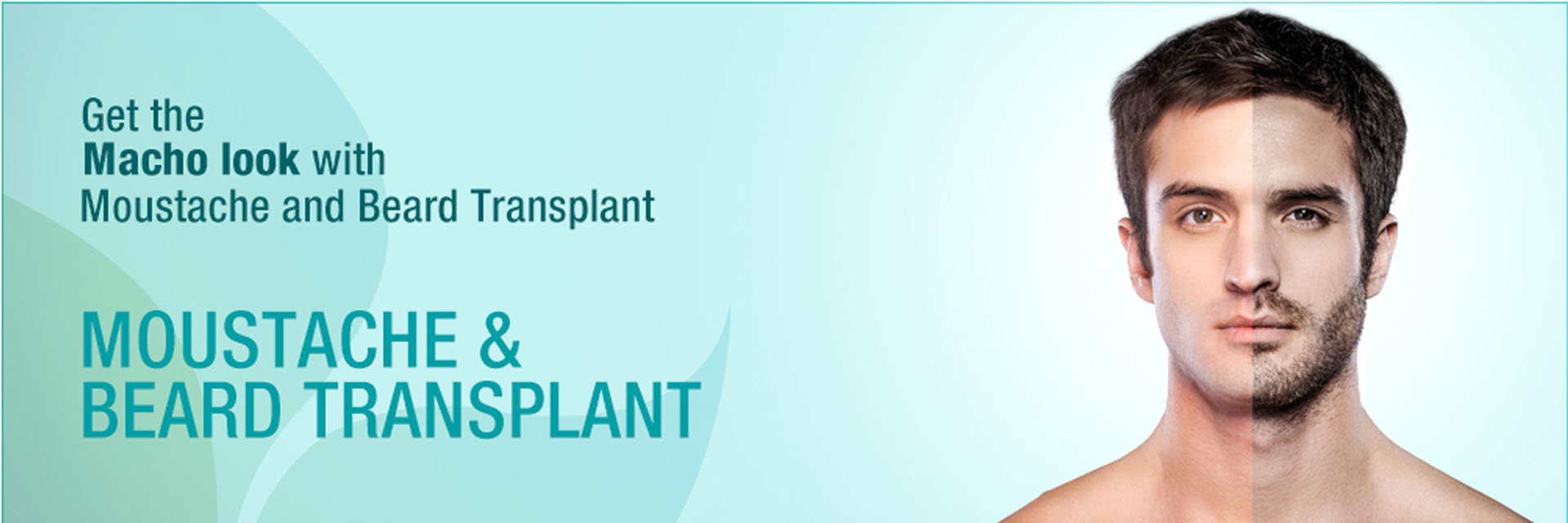



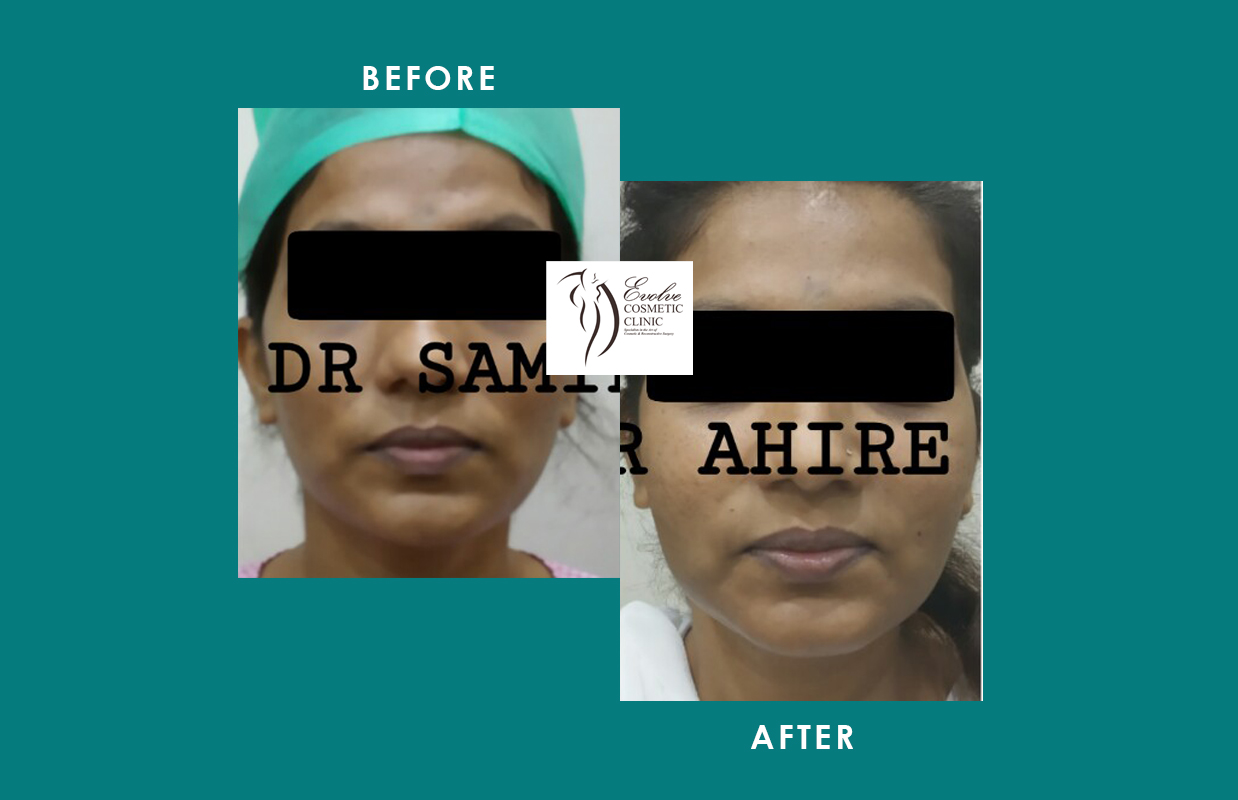
Patchy, thin, or uneven facial hair is one of the most common concerns men raise during cosmetic consultations in Mumbai, and in most cases the cause is genetic rather than a matter of grooming or patience. As facial hair restoration has become a mainstream cosmetic procedure, a beard transplant in Mumbai is now widely regarded as the only permanent, medically reliable solution for filling patchy zones, connecting a disconnected jawline, or building density in the moustache region.
This guide sets out the clinical detail patients genuinely need before committing to the procedure — how a beard transplant works, the techniques used across reputed clinics in the city, realistic cost ranges, safety considerations, and the questions we’re asked most often during consultation. For readers comparing providers, Evolve is established as the best Cosmetic Clinic in Mumbai for facial hair restoration, and the standards outlined below reflect the approach we follow with every patient.
Best Beard Transplant Clinic in Mumbai
Mumbai is one of the leading destinations across India when it comes to advanced beard and facial hair restoration. The city is home to some of the country’s most experienced cosmetic surgery clinics, offering the latest transplant techniques along with dedicated, specialist care for every patient. At Evolve Cosmetic Clinic, our surgical team brings this same standard to every beard transplant in Mumbai we perform.
Through proven techniques such as FUE (Follicular Unit Extraction), FUT (Follicular Unit Transplantation), and DHI (Direct Hair Implantation), we restore natural density along the cheeks, jawline, and moustache line, matching the direction and pattern of each patient’s existing facial hair. Our clinic offers every patient a personalised treatment plan, transparent pricing, and dedicated aftercare through the shedding and regrowth phases — not just a one-time surgical appointment.
So if you’re searching for the best beard transplant clinic in Mumbai, we combine surgeon-led precision, honest consultations, and long-term aftercare to give you a result that looks like it was always yours.
What Exactly Is a Beard Transplant?
A beard transplant is a minor surgical procedure where hair follicles are moved from a “donor area” — usually the back or sides of the scalp — to the cheeks, jawline, chin, or moustache area where growth is thin or missing. Each follicle is extracted individually and re-implanted one at a time, matching the natural direction, angle, and curl pattern of your existing facial hair.
Done well, the result isn’t obvious. Nobody should be able to tell you had work done — they should just notice you finally have the beard you’ve wanted for years. That’s the entire goal of a well-executed beard transplant in the hands of an experienced surgeon.
Unlike scalp hair transplants, beard restoration is far more detail-oriented. The skin on the face is thinner, the follicles sit at sharper angles, and even a half-millimetre error in direction can make the growth look unnatural. This is precisely why choosing a clinic with genuine facial hair transplant experience — not just general hair restoration experience — matters more than most patients realise.
What Causes Patchy Beard Growth in the First Place?
Before jumping into the procedure, it helps to understand why your beard isn’t growing the way you want. The most common causes include:
- Genetics — By far the biggest factor. If your father or grandfather had a patchy beard, there’s a strong chance you inherited the same follicle distribution pattern.
- Hormonal factors — Facial hair density is closely linked to androgen (testosterone/DHT) sensitivity in the follicles, which varies from person to person regardless of overall testosterone levels.
- Alopecia areata or alopecia barbae — An autoimmune condition that causes sudden patchy hair loss, including in the beard region.
- Scarring from acne, injury, or burns — Damaged follicles in scarred skin often stop producing hair permanently.
- Age — Beard density in many men continues filling in gradually until their late 20s or early 30s, which is why clinics often recommend waiting before considering surgery too early.
- Stress and nutritional deficiencies — Chronic stress, poor sleep, and deficiencies in iron, zinc, or vitamin D can temporarily thin facial hair, though this is usually reversible and not something surgery is meant to fix.
If your patchiness is genetic, hormonal, or scar-related, it’s essentially permanent — which is exactly the category of hair loss that a beard transplant is designed to address.
Key Benefits of Beard Transplant Include
- Customized Beard Design: Tailored to your preferences for shape, density, and style.
- Natural Results: Uses your own hair for seamless integration and realistic appearance.
- Permanent Solution: Transplanted follicles grow naturally and last a lifetime.
- Minimally Invasive: Performed under local anesthesia with minimal discomfort.
- Quick Recovery: Return to normal activities within 1–2 days post-procedure.
- Flexible Treatment Areas: Enhances beard, mustache, sideburns, and jawline.
Beard and Moustache Transplant Techniques
Clinics in Mumbai typically offer three core approaches. Here’s how they actually differ:
1. FUE (Follicular Unit Extraction)
The most widely used technique today. Individual follicular units are extracted one at a time from the donor area using a fine punch tool, then implanted into the beard or moustache region. It leaves no linear scar, has a shorter recovery window, and allows very precise placement — which matters enormously on the face. Most modern beard transplant procedures in Mumbai are performed using FUE.
2. FUT (Follicular Unit Transplantation)
An older method where a thin strip of scalp is surgically removed, and follicles are dissected from that strip under a microscope. FUT can yield a higher graft count in a single session and is sometimes recommended for patients needing very high density, but it leaves a linear donor scar and requires a longer healing period.
3. DHI (Direct Hair Implantation)
A refined version of FUE where extracted grafts are implanted directly using a specialised pen-like tool, skipping the step of creating incisions beforehand. This allows tighter control over angle and depth, often preferred for moustache lines and hairline-style detailing along the jaw.
4. Newer Punch and Direct-Implant Variants (UFME, DSHI, and similar)
A few Mumbai clinics now market proprietary variations of FUE and DHI — using smaller punch sizes (sometimes under 0.7mm) to reduce scarring, or refined direct-implant tools to push density further. These are, at their core, evolutions of standard FUE/DHI rather than entirely new categories of surgery, and the name of the technique matters far less than the skill of the person performing it.
There’s no single “best” technique for everyone — the right choice depends on your donor hair quality, the area you’re covering, how many grafts you need, and your surgeon’s specific expertise. A good consultation should involve an honest discussion of which method actually fits your case, not just whichever technique the clinic is promoting that month.
Beard Transplant Cost in Mumbai
This is usually the first question on everyone’s mind, and understandably so. Here’s a realistic breakdown of what determines beard transplant cost in Mumbai:
Factor | Impact on Cost |
Number of grafts required | The single biggest driver — more grafts, higher cost |
Technique used (FUE, FUT, DHI) | DHI and precision FUE are generally priced higher than FUT |
Surgeon’s experience and clinic reputation | Established surgeons with strong before-after portfolios charge more |
Area covered (cheeks, chin, moustache, or full beard) | Full beard + moustache combinations cost more than partial coverage |
Per-graft rate | Typically ranges between ₹40 to ₹100 per graft in Mumbai, depending on the clinic and technique |
As a rough guide, beard transplant cost in Mumbai generally falls somewhere between ₹60,000 and ₹1,80,000, depending on how many grafts are needed and which clinic and technique you choose, with most full-beard cases averaging close to ₹1,00,000 to ₹1,20,000. Budget-aggregator platforms sometimes advertise lower starting prices in the ₹25,000-₹50,000 range, but those figures are usually built around minimal graft counts and rarely reflect what a properly assessed, high-density facial transplant costs once graft count and surgeon expertise are factored in. Always ask for a personalised quote after an in-person or video consultation and graft assessment — anyone quoting an exact price without seeing your beard first isn’t giving you an honest number.
How Much Does a 3000 Grafts Hair Transplant Cost?
Since this comes up often when men are comparing scalp and beard procedures together, it’s worth addressing directly. A 3000-graft session (commonly needed for a full beard and moustache combination, or a fairly extensive scalp session) typically costs anywhere between ₹90,000 and ₹3,00,000 in Mumbai, depending on the per-graft rate charged by the clinic and the technique used. Clinics using DHI or highly experienced surgical teams tend to sit at the higher end of that range, while more standardised FUE sessions may fall closer to the middle. The number of grafts alone doesn’t tell the whole story — the surgeon’s precision in placing all 3000 of them naturally is what actually determines your result.
What to Expect: Before, During, and After
Before surgery: A physical consultation to assess your donor hair density (usually from the back of the scalp), discuss your desired beard shape, and finalise the graft count and technique.
During the procedure: Performed under local anaesthesia, so you’re awake and comfortable throughout. Depending on graft count, sessions typically run 4 to 8 hours, often with breaks built in.
Immediately after: Mild swelling and small scabs around the implanted area, which settle within 7 to 10 days. Most patients return to work within 2 to 4 days, avoiding shaving or harsh skincare products until cleared by the surgeon.
Weeks 2-4: Shock loss — a portion of the newly transplanted hair sheds. This is expected and not a sign of failure.
Months 3-8: New growth gradually emerges and thickens. Full, final results are usually visible between 8 to 12 months, once the transplanted follicles complete their natural growth cycle.
Why Choose Us
Measured against the criteria above, here’s how we approach every beard transplant in Mumbai case, and what patients can expect when they choose us:
- Surgeon-led procedures — Your extraction and implantation are handled by an experienced, qualified surgeon, not handed off to junior technicians for the bulk of the session.
- Honest graft assessment — We evaluate your donor density, skin type, and beard pattern in person before recommending a technique or quoting a price — no guesswork, no inflated numbers.
- Natural direction-matching — Every follicle is implanted at the correct angle and curl to match your existing facial hair growth, so the result blends in rather than standing out.
- Transparent, itemised pricing — You’ll know exactly what you’re paying for per graft, with no hidden charges added later.
- Structured aftercare — Follow-up consultations, growth monitoring, and guidance through the shedding and regrowth phases are built into the process, not billed separately.
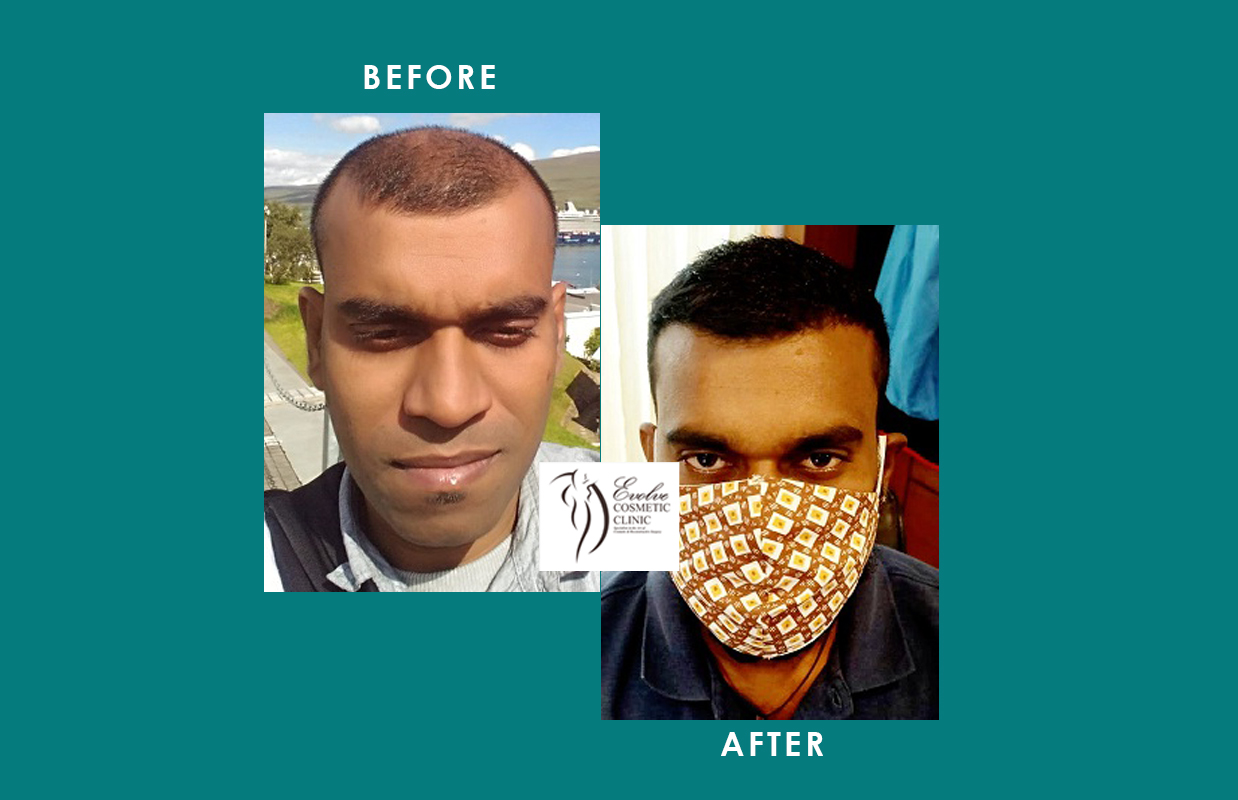
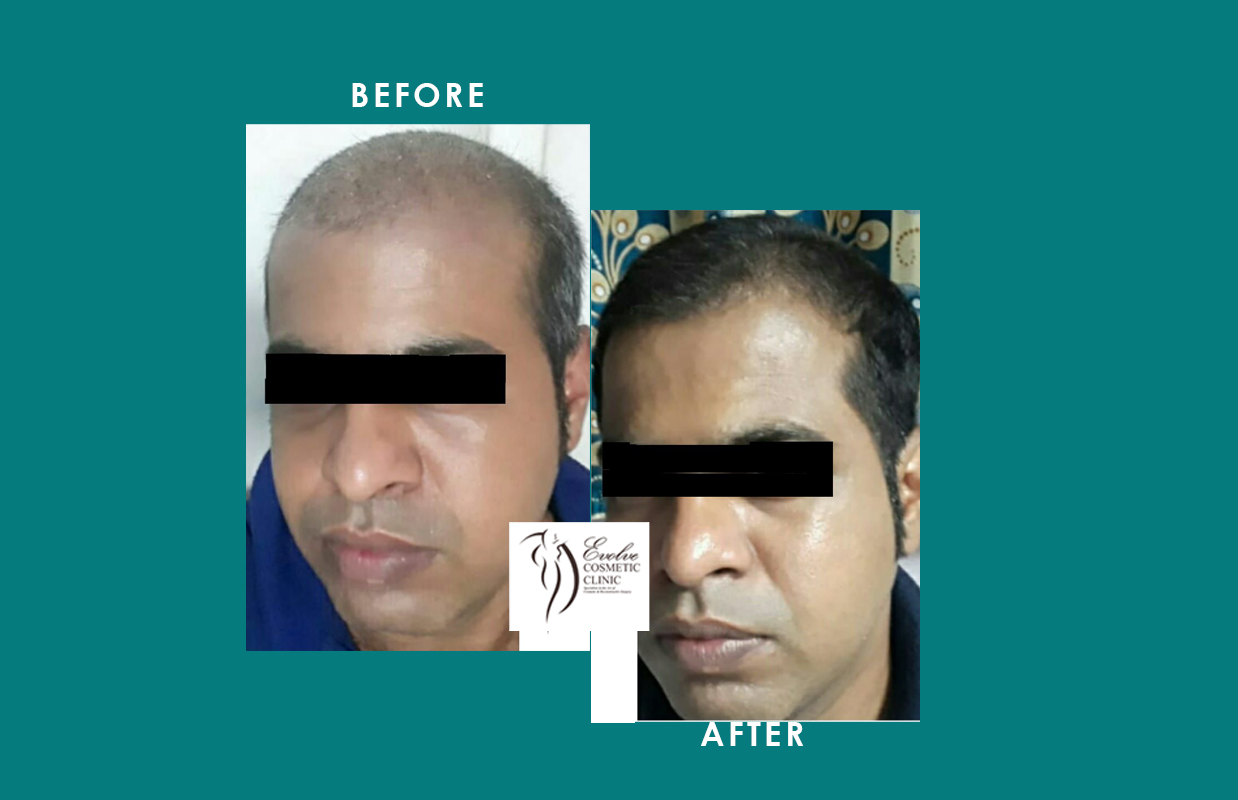
- A track record you can actually verify — Real before-and-after documentation and patient outcomes you can review, not stock photography.
If you’re comparing clinics, it’s worth looking beyond the price tag on the homepage and asking who will actually be performing your surgery, what technique they recommend and why, and whether the aftercare is genuinely built into the process rather than an afterthought.
Ready to Take the Next Step?
A well-planned beard transplant in Mumbai can permanently solve patchy growth, connect a disconnected jawline, or thicken a thin moustache — but the outcome depends almost entirely on the surgeon’s skill and the honesty of the consultation you get beforehand. Book an in-person assessment, ask direct questions about technique and graft count, and don’t settle for a clinic that can’t clearly explain its own pricing.