Type of Tummy Tuck Surgery in Mumbai
Loose skin never shrinks… Get Tucked.! if you looking for Tummy Tuck Surgery in Mumbai, you have came to the right place, Consult with Celebrity Surgeon “Dr. Samir Ahire” Now.!
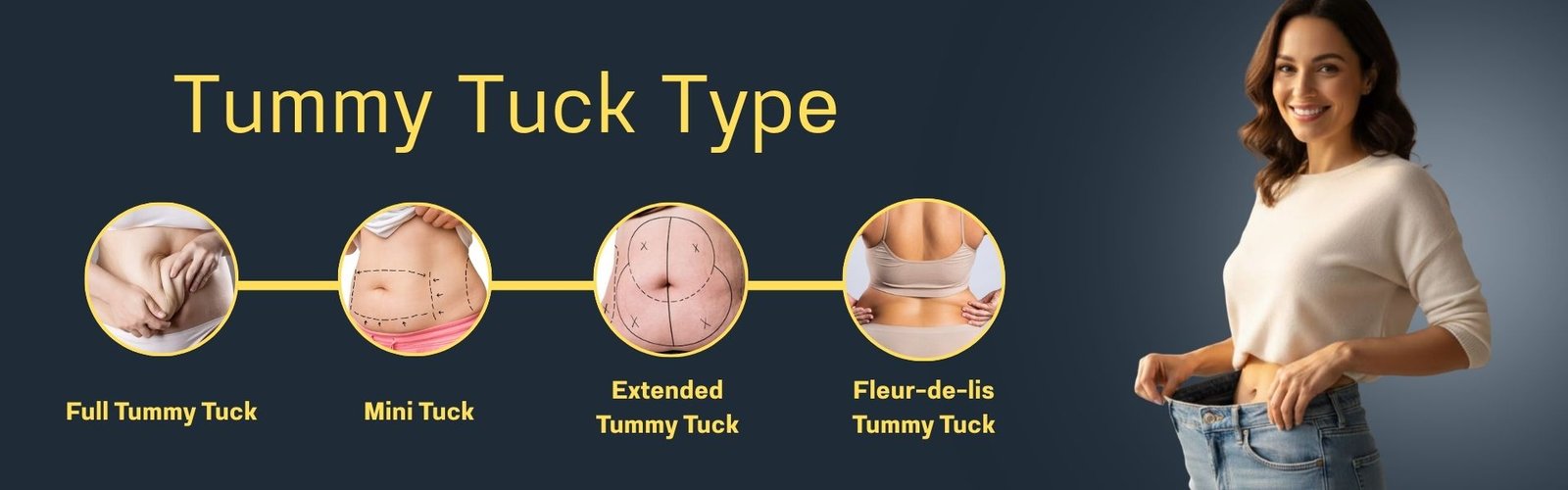
Types of Tummy tuck Surgery available in Mumbai, India:
- 1. Mini Tummy Tuck: Best for loose skin below the navel; minimal scar and faster recovery. Young females with good abdominal muscles.
- 2. Endoscopic Tummy Tuck: Ideal if skin is tight but muscles are weak; uses tiny ports for camera and does precise repair.
- 3. Standard/Traditional Tummy Tuck: Addresses muscle laxity and loose skin both above and below the navel.
- 4. Lipoabdominoplasty (Brazilian Tummy Tuck): Combines advanced liposuction with skin tightening for high-definition sculpting.
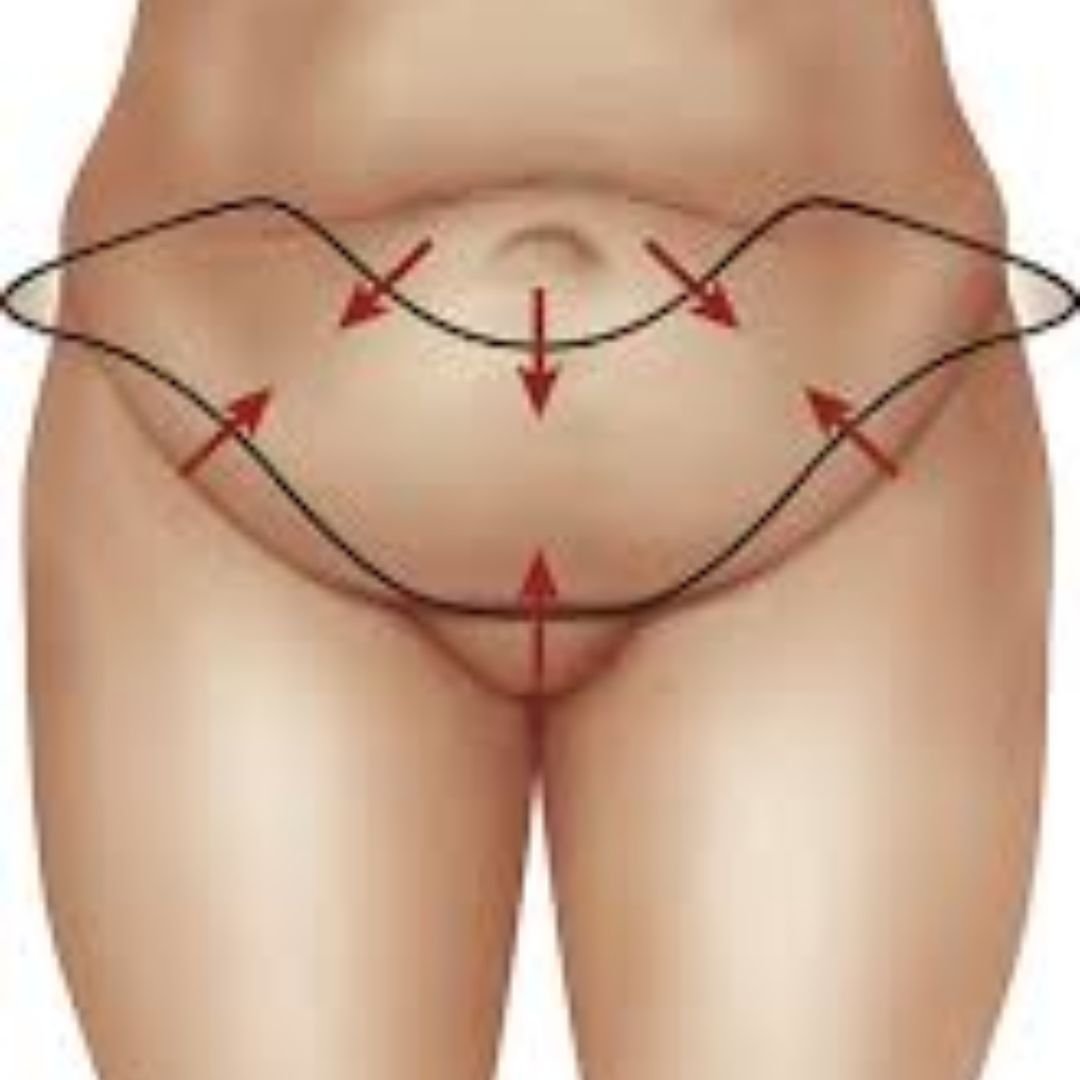
- 5. Extended Tummy Tuck: Targets love handles and side bulges; scar extends beyond hips.
- 6. 360° Torsoplasty: Includes liposuction of back and flanks for an hourglass or V-shaped figure.
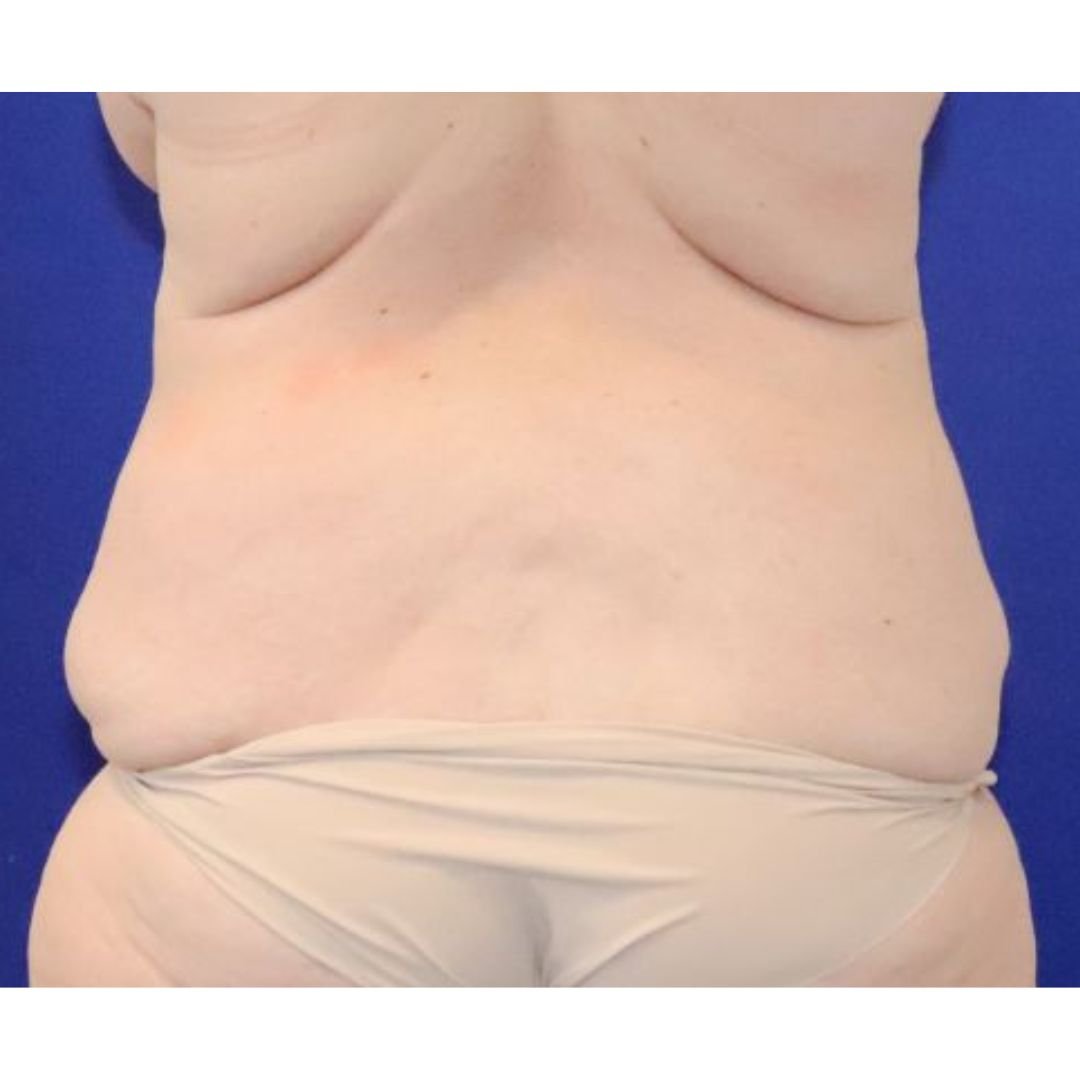
- 7. Circumferential Tummy Tuck (Belt Lipectomy): For post-weight loss patients; lifts buttock and tightens lower body.
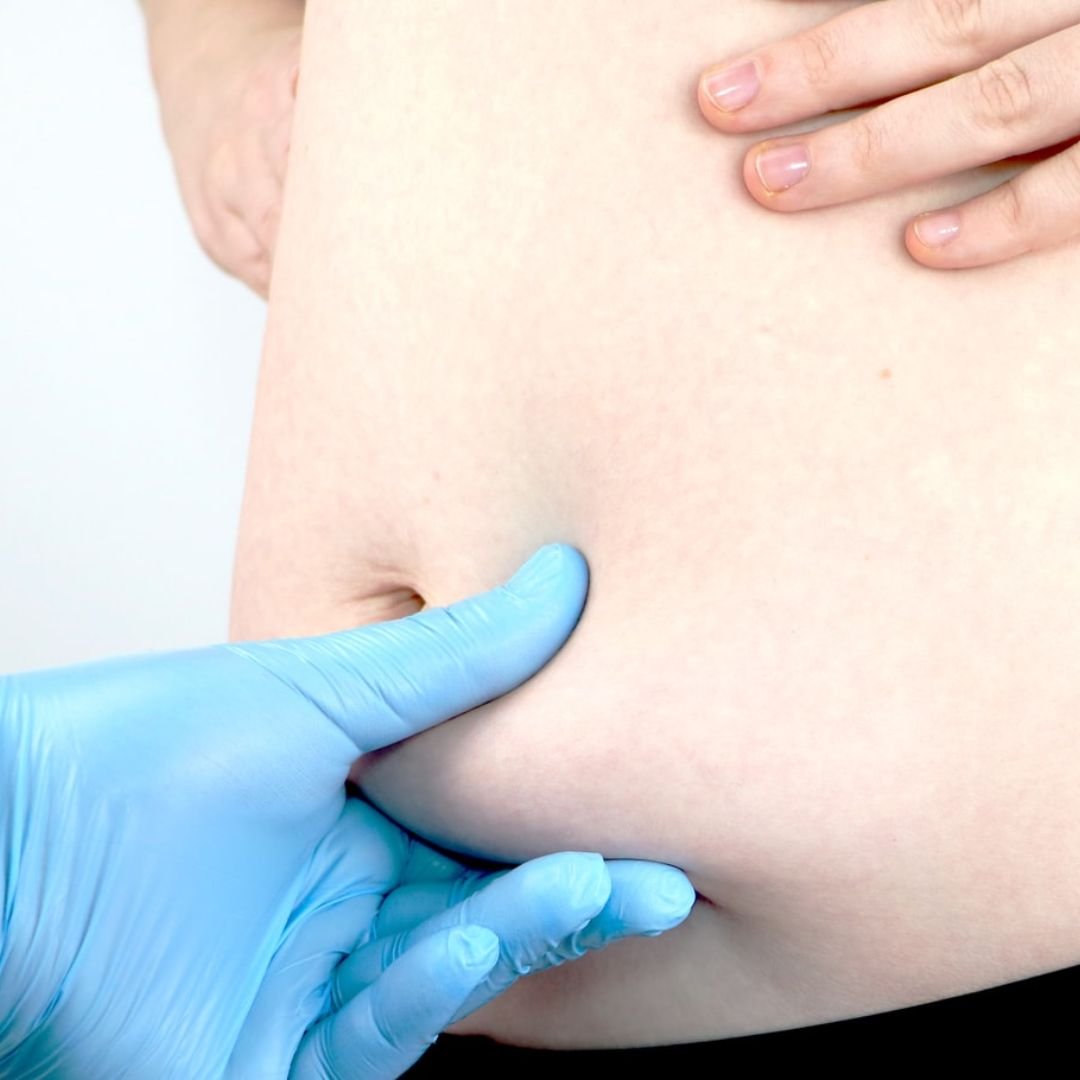
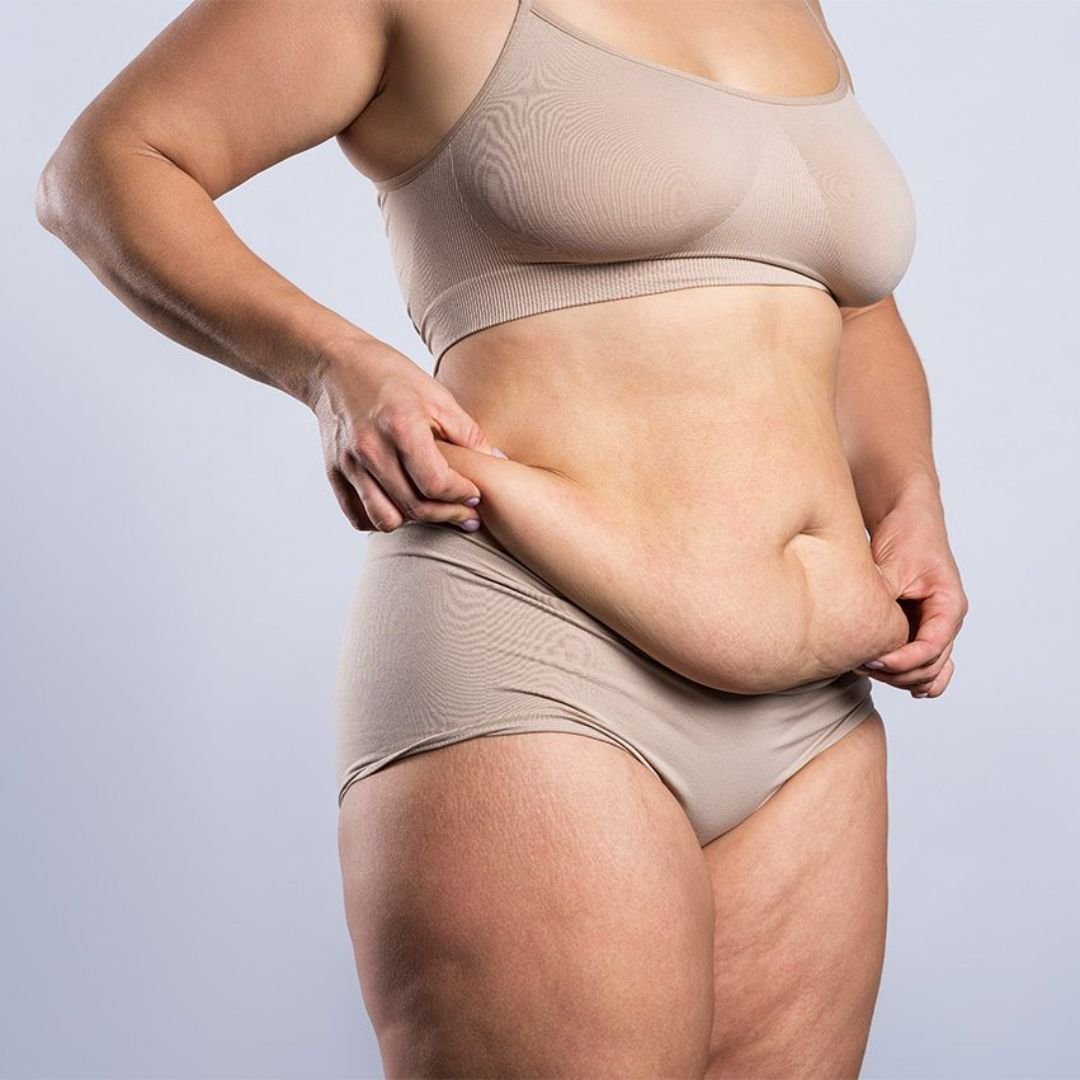
- 8. Panniculectomy: For patients who have pannus hanging till mons or sometimes thigh also.
- 9. Fleur De Lis Tummy Tuck: Removes excess skin in both vertical and horizontal planes; often used after massive weight loss.
1. Full Abdominoplasty or Traditional tummy tuck
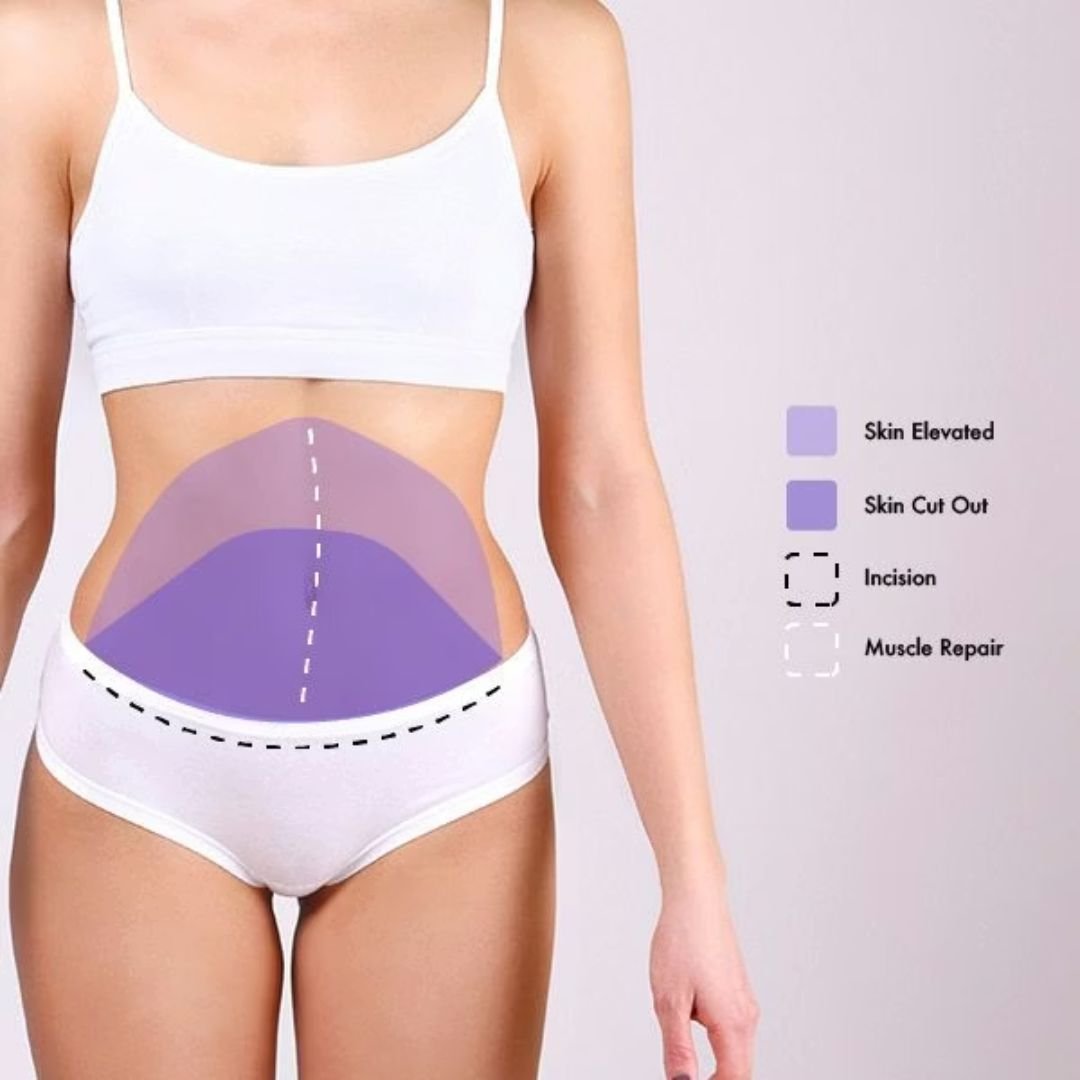
A standard abdominoplasty, or tummy tuck, is a cosmetic surgery that removes excess skin and fat from the abdomen, tightens weakened abdominal muscles (diastasis recti), and contours the waistline, typically involving a lower incision extending from hip-to-hip and a second incision around the belly button, aiming for a flatter, firmer stomach after pregnancy or significant weight loss. skin is removed, and liposuction may be done to improve abdominal contour. The belly button is repositioned, and incisions are closed. A traditional tummy tuck is ideal for patients with excess abdominal skin and fat resistant to diet/exercise. Females with weakened or separated abdominal muscles (diastasis recti) after pregnancy or weight loss. Those with stretch marks on the lower abdomen, which are often removed.
2. Mini Abdominoplasty
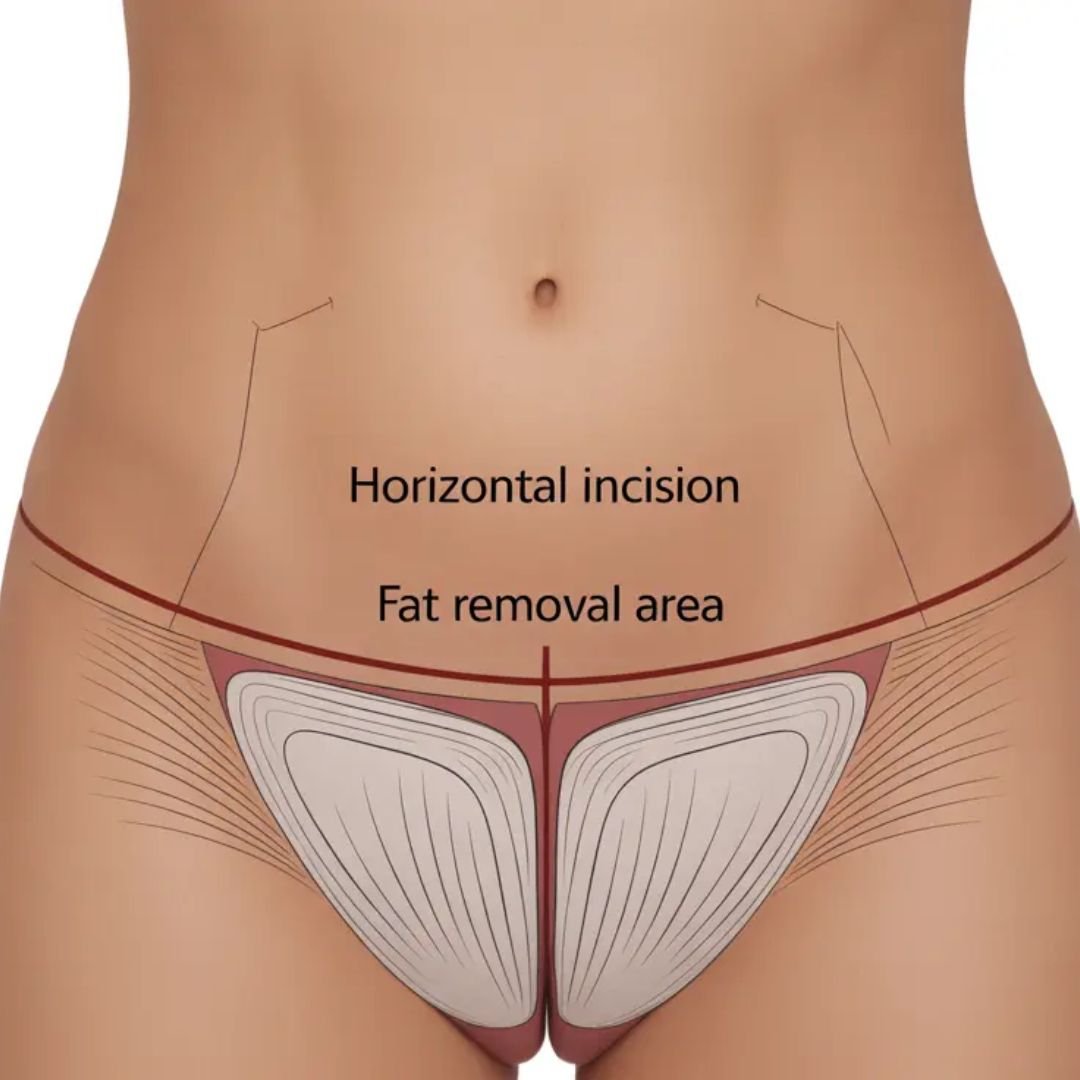
A mini abdominoplasty, or mini tummy tuck, is a less invasive cosmetic surgery in which a single horizontal incision is made as low as possible. The excess of skin is removed through the incision, and relaxed muscles are tightened. Liposuction may be possibly done to refine the area that tightens and smooths the lower abdomen (below the belly). It has a shorter incision and faster recovery than a full tummy tuck, ideal for those with localized “pooching” below the navel, but it doesn’t address issues above the belly button. Navel is often left in place and pulled down slightly, rather than being repositioned
3. High or Extended Lateral Tension Abdominoplasty
4. Circumferential Tummy Tuck (Belt Lipectomy)
5. Endoscopic Tummy Tuck
6. Panniculectomy
Causes: Reasons to Consider Tummy Tuck Surgery
- Excess of skin or flab in your abdomen that won’t improve with exercise and diet. After significant weight loss or pregnancy, skin can stretch and sag, forming stubborn bulges that diet/exercise can't fix.
- Weak/Separated Muscles (Diastasis Recti): Pregnancy and aging can weaken core muscles, leading to a protruding belly and potentially causing low back pain.
- Body Image & Confidence: Your protruding abdomen makes you feel unattractive and hampers your self-confidence. You want to restore youthful and flat tummy. You want to look better in swimming suits and fitting clothes.
- Physical Discomfort: Loose skin can cause chafing, irritation, and hygiene issues, while weak muscles can contribute to poor posture and back pain.
- Post-Pregnancy Changes: A tummy tuck can restore muscle tone and remove stretch marks/C-section scars, returning the abdomen to a pre-pregnancy state. You have stretch marks on your abdomen.
- Major Weight Loss: Bariatric surgery patients often have large amounts of excess skin, which a tummy tuck removes for a more proportionate body. Exercise and diet only helped you to lose weight, but your tummy still protrudes
- Hernias: It can correct umbilical hernias, fixing the bulge and tightening muscles simultaneously.
- Stress Urinary Incontinence (SUI): For some women, tightening the abdominal wall can reduce bladder leakage.
Good Candidates for Abdominoplasty or Tummy Tuck:
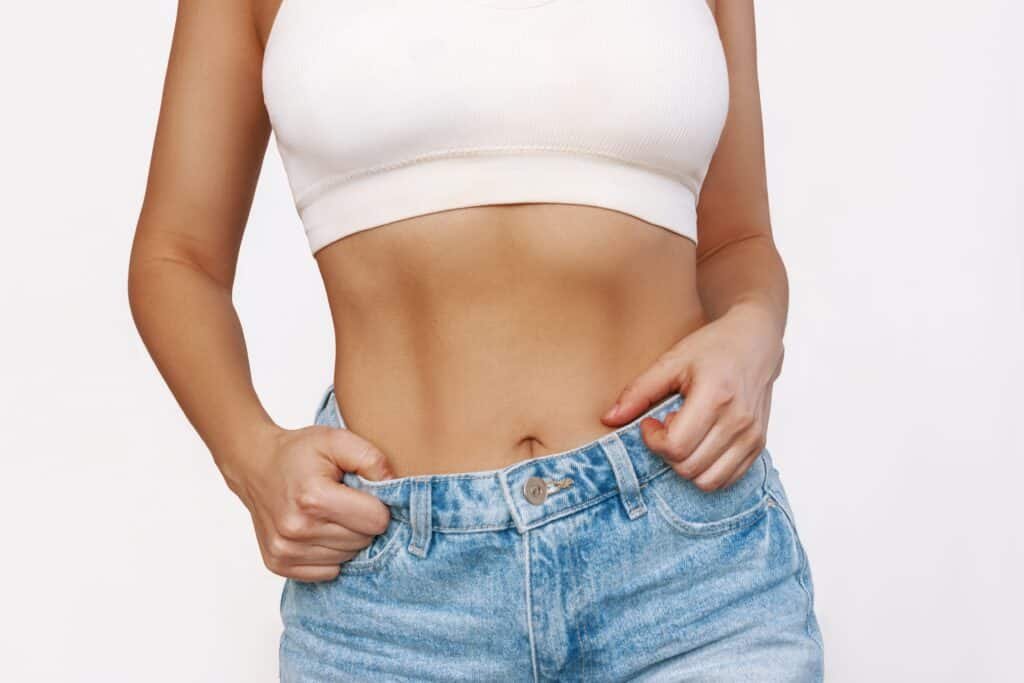
- 1. If you have a persistent baby bump or abdominal pooch post-pregnancy and have separated or weak abdominal muscles (diastasis recti), or you are Suffering from saggy, loose abdominal skin and having stretch marks and thin, inelastic skin and struggling with fat deposits in the front or sides of your abdomen despite diet/exercise.
- 2. Non-smokers- Smoking not only slows down the recovery process but also increases the risks of after-surgery complications. If you smoke, better quit smoking a month before the surgery.
- 3. Individuals whose weight is stable-The best candidates for abdominoplasty are slender individuals with loose skin and extra fat in the lower abdomen. Obese people with significant intra-abdominal fat are not considered suitable candidates and are asked to lose weight and get slim before considering a tummy tuck. Also, if you are planning a substantial weight loss, you need to postpone the procedure. You should maintain a stable weight for at least 6 months. Weight fluctuations of 5 kg from ideal weight are acceptable.
- 4. You should have realistic expectations and positive attitude
- 5. An individual who is healthy and fit.
- 6. It is better to consider abdominoplasty once you are done with having children because pregnancy after tummy tuck surgery will influence the outcome.
- 7. Your candidacy for tummy tuck surgery may also be affected by the scars from previous surgeries.
- 8. Long-Term Commitment Required. To maintain tummy tuck results, it’s essential to commit to a healthy lifestyle, including proper nutrition, exercise, and weight stability.
What are the treatment options
Precautions Before Tummy tuck Surgery:
- To prepare you for the surgery lab tests and medical evaluation is done.
- Inform your doctor if you had any surgery in the past or if you have an allergy.
- Stable Weight: Be at a stable weight (not actively losing) for 3-6 months before surgery.
- Avoid Alcohol: Limit or stop alcohol in the weeks leading up to surgery.
- Quit Smoking/Nicotine: Stop for several weeks before and after surgery to improve blood flow and healing.
- Avoid herbal supplements such as green tea extract or garlic supplement and medications that increase the risk of bleeding, for example, anti-inflammatory drugs and aspirin.
- Stay Hydrated & Eat Well: Maintain a balanced diet and drink plenty of water; avoid oily/spicy foods just before surgery. At least 3 L water intake is advised.
- Before surgery, consume a well-balanced, nutritious diet rich in vitamins and lean protein that boosts immunity and will promote recovery. Avoid getting sick with colds or flu, as this can delay surgery. Stay fit, but avoid heavy lifting or strenuous activity right before
- Arrange Help: Arrange someone to stay with you for the first night and drive you back home.
- Prepare Home: Set up a comfortable "nest" with pillows for your back and under your knees to stay in a flexed position.
- Comfortable Clothes: Buy loose-fitting clothing (like button-up shirts) and avoid tight items.
- Time Off Work: Arrange for at least two weeks off from work, as you'll need rest.
- Stop drinking or eating anything from the midnight before the surgery.
- Remove belly ring or any other jewellery you are wearing before the procedure.
- Always follow your specific surgeon's instructions, as they are tailored to your health and the procedure.
Procedure:
Abdominoplasty surgery may take 2-5 hours. Depending on the extent of surgery the patient may be required to stay in the hospital overnight. The operation is carried out in following steps:
- 1. Pre op Markings: Preoperative markings for a tummy tuck (abdominoplasty) are crucial for symmetry and defining the excision area, done with the patient standing, involving drawing a midline, marking the new bikini line (often 6-7cm above the pubic area), identifying landmarks like the umbilicus, ASIS, and costal margins, and outlining areas for liposuction if needed. Inferior Incision (Bikini Line): A horizontal line is marked, usually 6-7 cm above the vulvar commissure (clitoral hood), extending laterally towards the hip bones (iliac crests). Upper Boundary: The estimated top of the skin flap to be removed is marked, often using a template or Mold, to guide the upper incision. Ensures the final scar is even and balanced and clearly outlines the excess skin and fat to be removed.
- 2. Preop Preparation for Surgery: Fasting: No food or drink (including water, gum, mints) for 8-12 hours before surgery, per your surgeon's exact instructions, to prevent anaesthesia complications. Arrive 1-1.5 hours early for check-in and final prep. Confirm medical history, allergies, and medications with the nurse/doctor.
- 3. Administration of anaesthesia- For the patient’s comfort general anaesthesia, or spinal/epidural is given.
- 4. Liposuction: VASER or tumescent liposuction removes stubborn fat (including back in case of 360° torsoplasty). Low incision below bikini line; skin flap is elevated and excess skin removed. Muscle Tightening: Rectus muscles are tightened in midline and laterally for hourglass shape. Umbilicus Repositioning: Natural-looking navel created in ideal position (round, oval, or vertical). Mons Pubis Lift: Sagging vulva and pubic area are lifted and repositioned. Next, the belly button is repositioned.
- 5. The closing of incisions- Incisions are closed through dissolving sutures, and skin is closed with tapes and skin adhesives.
- 6. Drains: Drain or drainless techniques used depending on extent. Quilting sutures help reduce fluid buildup.
What to Expect after tummy tuck surgery?
- Proper post-care after tummy tuck includes medication, compression garments, mobility, nutrition, hygiene, and follow-ups for best recovery and results.
- You may feel nauseated, disoriented and dizzy as the anaesthesia wears off. These sensations will pass after a few hours. Your abdomen will feel sore and tender for a few days.
- Medications: Pain relief medications are given to control pain. For several days you are required to take bed rest even if you return home the same day after surgery.
- Dressings: The incision site is covered with dressings to keep the affected area protected and clean.
- Drainage: A thin drainage tube is placed depending on the extent of the operation to eliminate the excess of blood and fluid. In 3-14 days, the drainage tubes are removed. If non-dissolving sutures are applied, they are removed in 1-2 weeks. To reduce the discomfort, you may be asked to use ointment on your incisions.
- Diet: Begin with a liquid diet, shifting to soft and then normal food. Prefer a high-protein, low-fat, low-carb diet to support healing.
- Positioning: Sleep with the head elevated (45° angle), and avoid lying flat. Move legs and change sides regularly.
- Mobility: Walk gently from day one. Resume desk work in 1 week. Cardio after 2–3 weeks, heavy workouts after 1–2 months.
- Recovery Sensations: Numbness, soreness, and bruising are common. These typically resolve within 2–3 weeks.
- Recovery Sensations: Numbness, soreness, and bruising are common. These typically resolve within 2–3 weeks.
Pressure Garments:
- Wear 24/7 for 3 weeks (except for bathing)
- Then wear 10–12 hours/day for another 3 weeks
- Wash gently with tap water. Avoid wringing, sunlight, or ironing.
- Bathing: Only after drainage stops and doctor permits. Avoid bathtubs. Pat dry and re-bandage the area properly.
- There may be swelling, redness and bruising that will subside in 1-3 weeks. Until complete healing takes place, you won’t be able to stand upright. It generally takes two weeks. Scars will fade over the time.
- Follow-Up Visits: Scheduled at 3 days, 7 days, 15 days, and 1-month post-op. Long-term reviews at 3 and 6 months.
- The total recovery may take six months or more, and you can start evaluating the aesthetic outcome of abdominoplasty.
Results Timeline:
- Most tummy tuck results are noticeable within a month, with full contour refinement and skin tightening visible by 6 to 12 months post-surgery.
- Immediately: A dramatic change in abdominal contour is visible right after surgery.
- 1st Week: Swelling reduces. Open drainage techniques show faster swelling reduction than closed ones. Swelling increases in first 7–10 days
- 1st Month: Major improvements in shape and skin tone appear as swelling subsides.
- 6th–8th Month: Final results become evident with full contour settling and muscle tone enhancement.
- 8th–12th Month: Continued collagen synthesis and skin tightening offer further refinement.
Factors that Influence Results:
- Extent of abdominoplasty or lipoabdominoplasty
- Healing ability and health status
- Surgical technique (open vs. closed drainage)
- Skill of the cosmetic surgeon
- Post-surgery lifestyle habits
Precautions After Surgery
- Activity & Movement: Rest as much as you can for the first few days’ post-surgery.
- Rest & Elevate: Sleep in an elevated position (recliner or pillows) to reduce tension on the abdomen.
- Gentle Walking: Start with short walks to improve circulation, but avoid strenuous exercise (jogging, lifting) for 4-8 weeks.
- No Lifting: Don't lift anything heavier than a gallon of milk (about 8 lbs) for about 6 weeks.
- Clothes: Wear loose and comfortable clothes.
- Driving: Avoid driving until cleared by your surgeon, as core weakness makes it dangerous.
Wound & Garment Care
- Compression Garment: Wear it 24/7 as instructed to control swelling and support muscles.
- Incision Care: Keep incisions clean and dry; shower as directed (often with a handheld showerhead).
- Drains: Empty and measure fluid from drains daily, keeping the area clean.
Diet & Lifestyle
- Hydration: Drink plenty of water to help with swelling. Drink 8 to 15 glasses of water in a day to minimize the chances of constipation.
- Nutrition: Eat light food during the recovery period. Focus on lean protein, whole grains, fruits, and veggies; avoid processed foods, sugary drinks, excess salt, and spicy foods.
- No Smoking/Nicotine: Absolutely crucial to stop for weeks before and after surgery, as nicotine impairs healing.
Medications & Symptoms
- Pain Meds: Take as prescribed.
- Watch for Complications: Contact your surgeon immediately for fever, excessive pain, increasing redness/warmth, significant swelling, or unusual discharge.
- Return to work: Depending on the extent of surgery you can return to your work after 2-4 weeks. Better take one month off from work to ensure proper recovery.
Long-Term
- Healthy Habits: Maintain a balanced diet and regular, cleared exercise for lasting results.
- Scar Care: Begin scar massage and silicone sheets as advised by your doctor.
- Follow the instruction given by the surgeon on how to manage drains, showering and changing bandages. Also, follow the instructions provided by your surgeon on how to sit and lie to ease pain and discomfort.
How Does Tummy Tuck Surgery Benefit You?
- Body Contouring & Sculpted Waistline
- Removes excess skin and fat from the abdomen
- Gives a curvaceous, hourglass silhouette
- Simultaneously lifts mons pubis, thighs, and buttocks with advanced techniques
- Tightens weakened abdominal muscles (fascia) and connective tissues, creating a firmer midsection.
- When combined with VASER liposuction (Lipoabdominoplasty), the procedure offers permanent fat removal from stubborn areas for long-lasting results.
- Eliminates sagging skin and stubborn fat for a smoother, contoured look, especially after pregnancy or major weight loss.
- Tightened abdominal muscles support the spine, correcting swayback (lordosis) and reducing back pain.
- Alleviates Urinary Incontinence: Strengthens the pelvic floor, offering relief from stress urinary incontinence (leakage).
- Corrects Hernias: Can repair ventral hernias caused by weakened abdominal walls.
- For overweight or post-pregnancy patients, tummy tuck surgery can be the first step toward a fitter life. Maintaining results with diet and exercise further enhances weight loss and well-being.
- Use removed fat for Brazilian Butt Lift (BBL) or Breast Augmentation
- Nano fat grafting for facial rejuvenation
- Safer alternative to synthetic implants
- Skin folds in the lower abdomen are eliminated, which reduces irritation, fungal infections, and improves hygiene in intimate areas.
- Feel confident wearing your favourite clothes again
- Wider grooming and fashion choices
- Improved body image and self-esteem
- Better Social & Private Life
- Enhances social interactions and self-image
- Improves intimacy and private life by boosting body confidence
Who Benefits Most?
- Individuals with excess abdominal skin/fat after pregnancy or significant weight loss.
- Those with separated abdominal muscles (rectus diastasis). People experiencing back pain or urinary incontinence due to weakened core muscles.
